បរមត្ថធម៌ វគ្គ១
អ្វីទៅជាបរមត្ថធម៌?
បរមត្ថធម៌ គឺជាធម្មជាតិដ៏ឧត្តមលើសធម្មជាតិទាំងអស់។ធម្មជាតិ ច្បាប់ធម្មជាតិ អ្នកប្រាជ្ញ អ្នកវិទ្យាសាស្រ្ត អ្នកស្រាវជ្រាវ
ទោះជាមាន បញ្ញាយ៉ាងណាក៏ដោយក៏មិនអាចដឹងបាន នៅបរមត្ថ ធម៌។គឺជាធម្មជាតិដ៍ឧត្តម ដែលអាចរកឃើញដោយបុគ្គលដ៍ឧត្តម គឺព្រះពុទ្ធផ្ទះឡាយដែលបានត្រាស់ដឹង អតីតកាលនិងអនាគតកាល។
បរមត្ថធម៌វគ្គទី ១
យល់ធម៌ព្រះសាស្ដាសម្ដែង ឃើញផ្លែក្រូចតើឃើញអ្វីខ្លះ?
ខ្ញុំព្រះករុណាសូមឱនកាយថ្វាយបង្គំព្រះរតនត្រ័យជាទីគោរពដ៏ខ្ពង់ខ្ពស់ស្មើនឹងជីវិតខ្ញុំព្រះករុណា។ខ្ញុំព្រះករុណាសូមថ្វាយបង្គំព្រះតេជគុណទាំងអស់ជាទីគោរពសក្ការៈបូជា។សូមថ្លែងសេចក្តីគោរពដ៏ខ្ពង់ខ្ពស់ចំពោះមិត្តអ្នកស្ដាប់ទាំងអស់។នេះគឺជាលើកទីមួយដែលខ្ញុំព្រះករុណាខ្ញុំបាទសំដែងនូវព្រះធម៌ ដែលព្រះសាស្ដាត្រាស់ដឹង។ តាមអធ្យាស្រ័យដ៏ស្ដួចស្ដើងដែលខ្ញុំព្រះករុណាខ្ញុំបាទ បានយល់នៅរូបមន្តព្រះសាស្តាដ៏មានទីជម្រៅ ដូចជម្រាលសមុទ្រ។ក្នុងគោលបំណងបញ្ជាក់ ចំពោះ បណ្ឌិត អ្នកប្រាជ្ញ អ្នកវិទ្យាសាស្រ្ត អ្នកទស្សនៈវិទូ។ល។ក្នុងលោកដែលអស់លោកខ្លះភាគច្រើន សម្គាល់ព្រះសាស្តាត្រឹមតែមហាទស្សនៈវិទូ។ព្រះអង្គមានសព្វញ្ញុតញាណ ត្រាស់ដឹងច្បាប់ព្រះធម៌មិនមានអ្វីដែលព្រះអង្គមិនបានដឹងនោះមិនមានឡើ
បរមត្ថធម៌ជាធម្មជាតិដ៏ឧត្តម។មិនអាចមានបុគ្គលធម្មតាទោះបីជាមានប្រាជ្ញាយ៉ាងណាក៏ដោយក៏មិនអាចដឹងបាននៅធម្មជាតិដ៍ឧត្តមដែលជាបរមត្ថធម៌ដែលអាចរកឃើញដឹងបានដោយសារបុគ្គលដែលក្រាស់ដឹងជាព្រះពុទ្ធទាំងឡាយ។គឺជាធម៌កម្របានជួបទាល់តែបុគ្គលនោះមានឧបនិស្ស័យ ចាប់កំណើតនៅពេលដែលព្រះសម្មាសម្ពុទ្ធទាំងឡាយត្រាស់ដឹង។
បរមត្ថធម៌នេះលែងមានអាចត្រូវគេដឹងបានតែមួយរយៈព្រះសម្មាសម្ពុទ្ធនិងព្រះធម៌និងមាន ផុតពីនេះទៅពុំមានអ្នកណាដឹងទៀត។លើកលែងតែមានការត្រាស់ដឹងនៅព្រះពុទ្ធអនាគតទើបអាចដឹងម្ដងទៀត។
បរមត្ថធម៌ដោយសង្ខេបគឺ ចិត្ត ចេតសិក រូប និព្វាន អាចហៅថា បញ្ចក្ខន្ធ រូបក្ខន្ធ សញ្ញាខន្ឋ វេទនាខន្ឋ សង្ខារខន្ឋ វិញ្ញាណក្ខន្ធ ឬនាមធម៌រូបធម៌ និព្វាន។លើកលែងព្រះនិព្វាន បរមត្ថធម៌ជាសង្ខារធម៌សង្ខតធម៌។ដើម្បីឲ្យច្បាស់គឺចិត្ត១២១
ចេតសិក៥២ រូប ២៨ និព្វាន។ទាំងអស់នេះគឺជាធម្មជាតិដែលមានពិតក្រៅពីនេះគឺជាពាក្យសន្មត់សម្រាប់សម្គាល់និងទាក់ទងគ្នាតែប៉ុណ្ណោះដោយយល់ថាគឺជាការពិត។ដូច្នេះមនុស្សដែលមនុស្សក្នុងពិភពលោកមិនបានស្គាល់ការពិតដែលជាបរមត្ថធម៌។
យើងយកតែ ចិត្ត ចេតសិក រូប មកសិក្សាពិភាក្សាពិចារណា។
ព្រះសាស្ដាសម្ដែងថា នេះមាននេះក៏មាន នេះមិនមាននេះក៏មិនមាន។
បរមត្ថធម៌មិនមានឈ្មោះទេ មានតែធាតុដឹងនិងធាតុមិនដឹង ដែលយើងហៅថានាមធម៌រូបធម៌ដោយសារមិនអាចពន្យល់បានទើបបង្កើតពាក្យដើម្បីកំណត់ដឹងនៅធាតុដឹងនិងធាតុមិនដឹង។
កាលបើបរមត្ថសច្ចមានសច្ចៈសន្មត់សច្ចៈក៏មាន។សត្វលោកយើងរស់នៅក្នុងសន្មត់សច្ចៈ។ដើម្បីឲ្យដឹងអ្វីទៅជាបរមត្ថធម៌
មានការពន្យល់ច្រើន។ខ្ញុំបាទធ្វើសង្ខេបដើម្បីឲ្យដឹងបរមត្ថធម៌។នៅពេលដែលអ្នករស់នៅក្នុងព្រៃដាច់ស្រយាលពីសត្វលោកមិនបានស្គាល់ទេពាក្យសន្មត់។តើអ្នកឃើញដឹងនូវអ្វីខ្លះ? នៅខាងក្រៅអ្នកឃើញធម្មជាតិឮសំឡេងបក្សាបក្សី កម្ដៅថ្ងៃប្រកបដោយខ្យល់ជំនោរបក់មកត្រូវរាងកាយ ក្លិនក្រអូបគ្រប់សព្វនៃធម្មជាតិ អ្នកហូបផ្លែឈើដែលមានរសជាតិឆ្ងាញ់ពិសារ។ល។សេចក្តីដឹងឃើញទាំងអស់នេះគឺជាបរមត្ថធម៌។ដែលយើងអាចដឹងបានដោយមាន ភ្នែកសម្រាប់ឃើញ ត្រចៀកសម្រាប់ឮ ច្រមុះសម្រាប់ដឹងក្លិន អណ្ដាតសម្រាប់ដឹងរសជាតិ កាយដឹងផោដ្ឋព្វៈ ចិត្តទទួលអារម្មណ៍ទាំងប្រាំ។
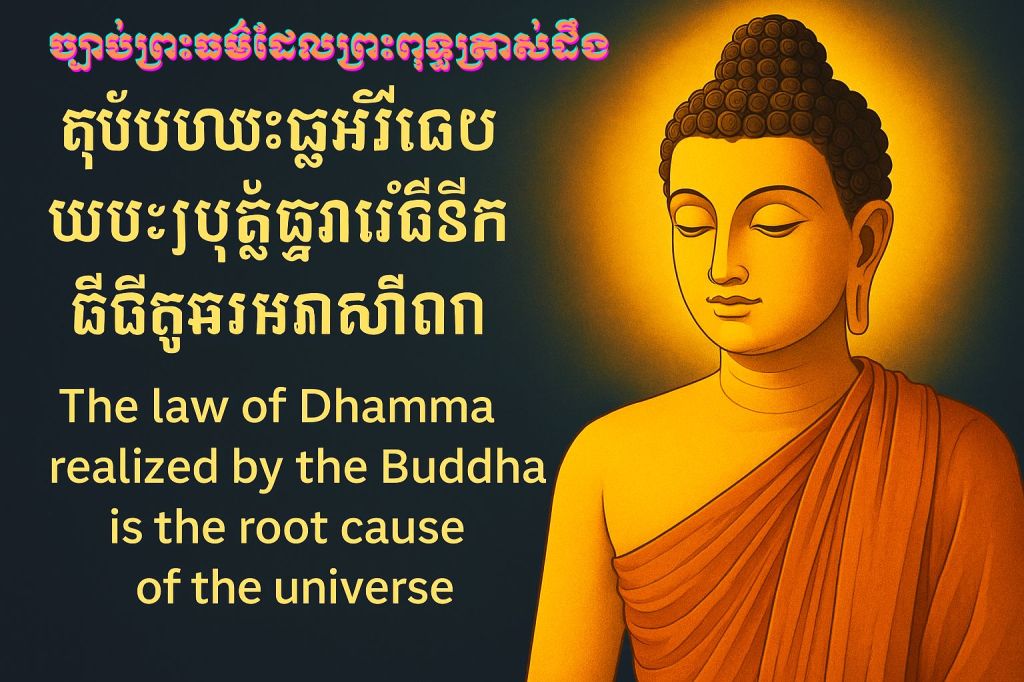
ព្រះសម្មាសម្ពុទ្ធសម្ដែងថា ធម៌ទាំងឡាយមានហេតុនិងបច្ច័យ។ពាក្យមួយឃ្លានេះគឺជាពាក្យនៃច្បាប់ធម្មជាតិទាំងអស់ច្បាប់ធម្មជាតិណាមួយដែលមិនមានហេតុនិងបច្ច័យ គឺជាមូលឬសនៃចំណេះទាំងអស់ ទស្សនៈ វិទ្យាសាស្រ្ត និងមុខវិជ្ជាផ្សេងៗទៀត លើកលែងតែពាក្យសន្មត់។លើកលែងពាក្យសន្មត់ក៏ខុសទៀតព្រោះមានហេតុនិងបច្ច័យដែរ។ដោយសារមានបរមត្ថធម៌ដែលជាបរមត្ថសច្ចៈជាហេតុនិងបច្ច័យឲ្យមានសន្មត់សច្ចៈ។វិញ្ញាណទាំង៦ដែលកើតឡើងបានដោយសារធម្មជាតិដែលជាធាតុមិនដឹងធ្វើឱ្យធាតុដឹងគឺវិញ្ញាណទាំង ៦ចាប់បដិសន្ធិ។ បើពុំមានធម្មជាតិខាងក្រៅវិញ្ញាណទាំង ៦ មិនអាចមាន។
វិញ្ញាណអាចមានបានដោយសារហេតុនិងបច្ច័យធម្មជាតិខាងក្រៅប៉ះផ្ទុបនិងទ្វារទាំង ៥ ដែលមាន ទស្សកកលាប តាមទ្វារនីមួយៗដែលមានបសាទរូបផ្សេងគ្នាគឺ ចក្ខុបសាទរូប សោតបសាទរូប ឃានបសាទរូប ជីវ្ហាបសាទរូប កាយបសាទរូបដែលជាហេតុនិងបច្ច័យ ឱ្យ ឃើញ ឮ ធំក្លិន ដឹងរសជាតិ ដឹងផោដ្ឋព្វៈ។បរមត្ថធម៌ទាំងអស់គឺខ្លួនយើងនេះ។សិក្សាបរមត្ថធម៌គឺសិក្សាដើម្បីឲ្យស្គាល់ខ្លួនយើងពិតប្រាកដជាអ្វី?
នៅពេលដែលខ្ញុំមើលទៅអ្វីក៏ដោយព្រឹត្តិកម្មដូចគ្នា។ឧទាហរណ៍ខ្ញុំឃើញផ្លែក្រូច។ធម៌ទាំងឡាយមានហេតុនិងបច្ច័យ។
ខ្ញុំសួរថាឃើញផ្លែក្រូចជាធម៌ តើធម៌អ្វីខ្លះដែលជាហេតុនិងបច្ច័យ? ផ្លែក្រូចគឺជារូបធម៌ ឃើញផ្លែក្រូចគឺជានាមធម៌
រាប់តាមលំដាប់ ផ្លែក្រូចដែលអាចឃើញបានទាល់តែវិញ្ញាណមានដោយសារតែមានផ្លែក្រូច ផ្លែក្រូចមានដោយសារអ្វី?ខ្ញុំនឹងអត្ថាធិប្បាយពេលក្រោយ។កាលបើវិញ្ញាណមានជាហេតុនិងបច្ច័យឲ្យឃើញរូបល្អឬអាក្រក់ ឃើញរូបល្អឬអាក្រក់ ចក្ខុវិញ្ញាណមានដែលជាបញ្ចក្ខន្ធជាវិបាកអកុសលចិត្ត វិបាកកុសលចិត្ត ចក្ខុវិញ្ញាណរលត់ទៅជាបច្ច័យឲ្យសប្បដិច្ឆន្នចិត្តកើតទទួលអារម្មណ៍ពីចក្ខុវិញ្ញាណ សប្បដិច្ឆន្នចិត្តរលត់ជាបច្ច័យឲ្យសន្តីរណៈចិត្ត កើតទទួលអារម្មណ៍យកមកពិចារណា សន្ទីរណៈចិត្តរលត់ជាបច្ច័យឲ្យវោដ្ឋវណ្ណៈចិត្តកើតឡើងកាត់សេចក្តីលើអារម្មណ៍។
បរមត្ថធម៌ជាធម្មជាតិដ៏ឧត្តម។មិនអាចមានបុគ្គលធម្មតាទោះបីជាមានប្រាជ្ញាយ៉ាងណាក៏ដោយក៏មិនអាចដឹងបាននៅធម្មជាតិដ៍ឧត្តមដែលជាបរមត្ថធម៌ដែលអាចរកឃើញដឹងបានដោយសារបុគ្គលដែលក្រាស់ដឹងជាព្រះពុទ្ធទាំងឡាយ។គឺជាធម៌កម្របានជួបទាល់តែបុគ្គលនោះមានឧបនិស្ស័យ ចាប់កំណើតនៅពេលដែលព្រះសម្មាសម្ពុទ្ធទាំងឡាយត្រាស់ដឹង។
បរមត្ថធម៌នេះលែងមានអាចត្រូវគេដឹងបានតែមួយរយៈព្រះសម្មាសម្ពុទ្ធនិងព្រះធម៌និងមាន ផុតពីនេះទៅពុំមានអ្នកណាដឹងទៀត។លើកលែងតែមានការត្រាស់ដឹងនៅព្រះពុទ្ធអនាគតទើបអាចដឹងម្ដងទៀត។
បរមត្ថធម៌ដោយសង្ខេបគឺ ចិត្ត ចេតសិក រូប និព្វាន អាចហៅថា បញ្ចក្ខន្ធ រូបក្ខន្ធ សញ្ញាខន្ឋ វេទនាខន្ឋ សង្ខារខន្ឋ វិញ្ញាណក្ខន្ធ ឬនាមធម៌រូបធម៌ និព្វាន។លើកលែងព្រះនិព្វាន បរមត្ថធម៌ជាសង្ខារធម៌សង្ខតធម៌។ដើម្បីឲ្យច្បាស់គឺចិត្ត១២១
ចេតសិក៥២ រូប ២៨ និព្វាន។ទាំងអស់នេះគឺជាធម្មជាតិដែលមានពិតក្រៅពីនេះគឺជាពាក្យសន្មត់សម្រាប់សម្គាល់និងទាក់ទងគ្នាតែប៉ុណ្ណោះដោយយល់ថាគឺជាការពិត។ដូច្នេះមនុស្សដែលមនុស្សក្នុងពិភពលោកមិនបានស្គាល់ការពិតដែលជាបរមត្ថធម៌។
យើងយកតែ ចិត្ត ចេតសិក រូប មកសិក្សាពិភាក្សាពិចារណា។
ព្រះសាស្ដាសម្ដែងថា នេះមាននេះក៏មាន នេះមិនមាននេះក៏មិនមាន។
បរមត្ថធម៌មិនមានឈ្មោះទេ មានតែធាតុដឹងនិងធាតុមិនដឹង ដែលយើងហៅថានាមធម៌រូបធម៌ដោយសារមិនអាចពន្យល់បានទើបបង្កើតពាក្យដើម្បីកំណត់ដឹងនៅធាតុដឹងនិងធាតុមិនដឹង។
កាលបើបរមត្ថសច្ចមានសច្ចៈសន្មត់សច្ចៈក៏មាន។សត្វលោកយើងរស់នៅក្នុងសន្មត់សច្ចៈ។ដើម្បីឲ្យដឹងអ្វីទៅជាបរមត្ថធម៌
មានការពន្យល់ច្រើន។ខ្ញុំបាទធ្វើសង្ខេបដើម្បីឲ្យដឹងបរមត្ថធម៌។នៅពេលដែលអ្នករស់នៅក្នុងព្រៃដាច់ស្រយាលពីសត្វលោកមិនបានស្គាល់ទេពាក្យសន្មត់។តើអ្នកឃើញដឹងនូវអ្វីខ្លះ? នៅខាងក្រៅអ្នកឃើញធម្មជាតិឮសំឡេងបក្សាបក្សី កម្ដៅថ្ងៃប្រកបដោយខ្យល់ជំនោរបក់មកត្រូវរាងកាយ ក្លិនក្រអូបគ្រប់សព្វនៃធម្មជាតិ អ្នកហូបផ្លែឈើដែលមានរសជាតិឆ្ងាញ់ពិសារ។ល។សេចក្តីដឹងឃើញទាំងអស់នេះគឺជាបរមត្ថធម៌។ដែលយើងអាចដឹងបានដោយមាន ភ្នែកសម្រាប់ឃើញ ត្រចៀកសម្រាប់ឮ ច្រមុះសម្រាប់ដឹងក្លិន អណ្ដាតសម្រាប់ដឹងរសជាតិ កាយដឹងផោដ្ឋព្វៈ ចិត្តទទួលអារម្មណ៍ទាំងប្រាំ។
ព្រះសម្មាសម្ពុទ្ធសម្ដែងថា ធម៌ទាំងឡាយមានហេតុនិងបច្ច័យ។ពាក្យមួយឃ្លានេះគឺជាពាក្យនៃច្បាប់ធម្មជាតិទាំងអស់ច្បាប់ធម្មជាតិណាមួយដែលមិនមានហេតុនិងបច្ច័យ គឺជាមូលឬសនៃចំណេះទាំងអស់ ទស្សនៈ វិទ្យាសាស្រ្ត និងមុខវិជ្ជាផ្សេងៗទៀត លើកលែងតែពាក្យសន្មត់។លើកលែងពាក្យសន្មត់ក៏ខុសទៀតព្រោះមានហេតុនិងបច្ច័យដែរ។ដោយសារមានបរមត្ថធម៌ដែលជាបរមត្ថសច្ចៈជាហេតុនិងបច្ច័យឲ្យមានសន្មត់សច្ចៈ។វិញ្ញាណទាំង៦ដែលកើតឡើងបានដោយសារធម្មជាតិដែលជាធាតុមិនដឹងធ្វើឱ្យធាតុដឹងគឺវិញ្ញាណទាំង ៦ចាប់បដិសន្ធិ។ បើពុំមានធម្មជាតិខាងក្រៅវិញ្ញាណទាំង ៦ មិនអាចមាន។
វិញ្ញាណអាចមានបានដោយសារហេតុនិងបច្ច័យធម្មជាតិខាងក្រៅប៉ះផ្ទុបនិងទ្វារទាំង ៥ ដែលមាន ទស្សកកលាប តាមទ្វារនីមួយៗដែលមានបសាទរូបផ្សេងគ្នាគឺ ចក្ខុបសាទរូប សោតបសាទរូប ឃានបសាទរូប ជីវ្ហាបសាទរូប កាយបសាទរូបដែលជាហេតុនិងបច្ច័យ ឱ្យ ឃើញ ឮ ធំក្លិន ដឹងរសជាតិ ដឹងផោដ្ឋព្វៈ។បរមត្ថធម៌ទាំងអស់គឺខ្លួនយើងនេះ។សិក្សាបរមត្ថធម៌គឺសិក្សាដើម្បីឲ្យស្គាល់ខ្លួនយើងពិតប្រាកដជាអ្វី?
នៅពេលដែលខ្ញុំមើលទៅអ្វីក៏ដោយព្រឹត្តិកម្មដូចគ្នា។ឧទាហរណ៍ខ្ញុំឃើញផ្លែក្រូច។ធម៌ទាំងឡាយមានហេតុនិងបច្ច័យ។
ខ្ញុំសួរថាឃើញផ្លែក្រូចជាធម៌ តើធម៌អ្វីខ្លះដែលជាហេតុនិងបច្ច័យ? ផ្លែក្រូចគឺជារូបធម៌ ឃើញផ្លែក្រូចគឺជានាមធម៌
រាប់តាមលំដាប់ ផ្លែក្រូចដែលអាចឃើញបានទាល់តែវិញ្ញាណមានដោយសារតែមានផ្លែក្រូច ផ្លែក្រូចមានដោយសារអ្វី?ខ្ញុំនឹងអត្ថាធិប្បាយពេលក្រោយ។កាលបើវិញ្ញាណមានជាហេតុនិងបច្ច័យឲ្យឃើញរូបល្អឬអាក្រក់ ឃើញរូបល្អឬអាក្រក់ ចក្ខុវិញ្ញាណមានដែលជាបញ្ចក្ខន្ធជាវិបាកអកុសលចិត្ត វិបាកកុសលចិត្ត ចក្ខុវិញ្ញាណរលត់ទៅជាបច្ច័យឲ្យសប្បដិច្ឆន្នចិត្តកើតទទួលអារម្មណ៍ពីចក្ខុវិញ្ញាណ សប្បដិច្ឆន្នចិត្តរលត់ជាបច្ច័យឲ្យសន្តីរណៈចិត្ត កើតទទួលអារម្មណ៍យកមកពិចារណា សន្ទីរណៈចិត្តរលត់ជាបច្ច័យឲ្យវោដ្ឋវណ្ណៈចិត្តកើតឡើងកាត់សេចក្តីលើអារម្មណ៍។
ត្រឹមនេះចាំបន្តទៅវគ្គទី ២ អរគុណច្រើនក្នុងការស្ដាប់ជំរាបលា។
ENGLISH
English TranslationUltimate Reality – Part 1What is Paramattha Dhamma (Ultimate Reality)?Paramattha Dhamma is the supreme nature — a reality beyond all other natural phenomena. No matter how wise a philosopher, scientist, or researcher may be, the ultimate truth (Paramattha Dhamma) cannot be fully known by ordinary wisdom. It is the supreme nature realized only by the Enlightened Ones — the Buddhas of the past, present, and future — who have perfectly awakened to truth.—Seeing the Orange — Seeing RealityWith deep reverence, I bow down before the Triple Gem — the Buddha, the Dhamma, and the Saṅgha — as my highest refuge, more precious than my own life.I also pay homage to all venerable teachers and respectfully greet all listeners.This is my first exposition of the Dhamma realized by the Buddha, expressed in my own humble understanding of the profound and ocean-deep principles of His Teaching. My intention is to present this reflection to scholars, philosophers, and scientists of the world, many of whom see the Buddha merely as a great philosopher. In truth, the Blessed One is the Omniscient One — the All-Knowing Sage who realized the universal law of Dhamma; nothing exists that He did not know.—Nature of Ultimate RealityParamattha Dhamma is the supreme natural truth that cannot be known by ordinary beings, regardless of their intellect. Only the Buddhas, through supreme enlightenment, realize it. This truth is rare to encounter; only those with the right causes and conditions are born during the era of a Buddha’s enlightenment.After the passing of a Buddha and His Dhamma, this truth becomes lost to the world, and none can rediscover it until another Buddha arises.—Constituents of Ultimate RealityIn summary, Paramattha Dhamma comprises mind (citta), mental factors (cetasika), matter (rūpa), and Nibbāna.These can also be expressed as the five aggregates:Form (rūpakkhandha), feeling (vedanākkhandha), perception (saññākkhandha), mental formations (saṅkhārakkhandha), and consciousness (viññāṇakkhandha).Except for Nibbāna, all ultimate realities are conditioned phenomena (saṅkhata dhamma).To specify: there are 121 types of consciousness, 52 mental factors, 28 material phenomena, and Nibbāna.All these are ultimate realities that truly exist. Everything else — names, concepts, designations — are conventional truths (sammuti-sacca) created for communication and social understanding.—Conventional and Ultimate TruthUltimate reality (paramattha-sacca) exists alongside conventional truth (sammuti-sacca). Ordinary beings live in the realm of convention. To understand paramattha, one must discern beyond names and labels.When a person lives alone in the forest, far from human society and its conventions — what do they actually experience?They see the natural world: hear the sounds of birds, feel the sunlight and the wind upon the body, smell the fragrance of nature, and taste the sweetness of fruits. All these experiences are ultimate realities, directly known through the six sense doors — the eye, ear, nose, tongue, body, and mind.—The Buddha’s Natural LawThe Buddha declared:> “All phenomena arise due to causes and conditions.”This single phrase expresses the universal natural law. Any phenomenon devoid of cause and condition cannot exist. It is the foundation of all knowledge, philosophy, and science — even conventional expressions depend on causes and conditions.Because ultimate realities exist, conventional truth arises.The six kinds of consciousness depend on external material phenomena: when visible form, sound, odor, taste, and tangible object come into contact with their respective sense bases — eye, ear, nose, tongue, and body — consciousness arises accordingly.Thus, paramattha dhamma is none other than this very life — our own nature.To study paramattha dhamma is to study what we truly are.—The Orange as ExampleWhen I look at an orange, the same natural process occurs.“All phenomena arise due to causes and conditions.”So, when I see an orange — what are the causes and conditions of that seeing?The orange is rūpa (matter).The act of seeing is nāma (mind).The orange can only be seen because there is consciousness conditioned by the presence of the orange.When consciousness arises through the eye, pleasant or unpleasant forms are experienced.Eye-consciousness (cakkhu-viññāṇa) arises as a result of past karma — wholesome or unwholesome — and ceases to condition the arising of the receiving mind (sampaticchana citta), which receives the object.That ceases and conditions the investigating mind (santīraṇa citta), which examines it.That in turn ceases and conditions the determining mind (votthapana citta), which decides upon the object.Let us pause here — more will be explained in Part 2.Thank you deeply for listening.May all beings be well.—
បរមត្ថធម៌ជាធម្មជាតិដ៏ឧត្តម។មិនអាចមានបុគ្គលធម្មតាទោះបីជាមានប្រាជ្ញាយ៉ាងណាក៏ដោយក៏មិនអាចដឹងបាននៅធម្មជាតិដ៍ឧត្តមដែលជាបរមត្ថធម៌ដែលអាចរកឃើញដឹងបានដោយសារបុគ្គលដែលក្រាស់ដឹងជាព្រះពុទ្ធទាំងឡាយ។គឺជាធម៌កម្របានជួបទាល់តែបុគ្គលនោះមានឧបនិស្ស័យ ចាប់កំណើតនៅពេលដែលព្រះសម្មាសម្ពុទ្ធទាំងឡាយត្រាស់ដឹង។
បរមត្ថធម៌នេះលែងមានអាចត្រូវគេដឹងបានតែមួយរយៈព្រះសម្មាសម្ពុទ្ធនិងព្រះធម៌និងមាន ផុតពីនេះទៅពុំមានអ្នកណាដឹងទៀត។លើកលែងតែមានការត្រាស់ដឹងនៅព្រះពុទ្ធអនាគតទើបអាចដឹងម្ដងទៀត។
បរមត្ថធម៌ដោយសង្ខេបគឺ ចិត្ត ចេតសិក រូប និព្វាន អាចហៅថា បញ្ចក្ខន្ធ រូបក្ខន្ធ សញ្ញាខន្ឋ វេទនាខន្ឋ សង្ខារខន្ឋ វិញ្ញាណក្ខន្ធ ឬនាមធម៌រូបធម៌ និព្វាន។លើកលែងព្រះនិព្វាន បរមត្ថធម៌ជាសង្ខារធម៌សង្ខតធម៌។ដើម្បីឲ្យច្បាស់គឺចិត្ត១២១
ចេតសិក៥២ រូប ២៨ និព្វាន។ទាំងអស់នេះគឺជាធម្មជាតិដែលមានពិតក្រៅពីនេះគឺជាពាក្យសន្មត់សម្រាប់សម្គាល់និងទាក់ទងគ្នាតែប៉ុណ្ណោះដោយយល់ថាគឺជាការពិត។ដូច្នេះមនុស្សដែលមនុស្សក្នុងពិភពលោកមិនបានស្គាល់ការពិតដែលជាបរមត្ថធម៌។
យើងយកតែ ចិត្ត ចេតសិក រូប មកសិក្សាពិភាក្សាពិចារណា។
ព្រះសាស្ដាសម្ដែងថា នេះមាននេះក៏មាន នេះមិនមាននេះក៏មិនមាន។
បរមត្ថធម៌មិនមានឈ្មោះទេ មានតែធាតុដឹងនិងធាតុមិនដឹង ដែលយើងហៅថានាមធម៌រូបធម៌ដោយសារមិនអាចពន្យល់បានទើបបង្កើតពាក្យដើម្បីកំណត់ដឹងនៅធាតុដឹងនិងធាតុមិនដឹង។
កាលបើបរមត្ថសច្ចមានសច្ចៈសន្មត់សច្ចៈក៏មាន។សត្វលោកយើងរស់នៅក្នុងសន្មត់សច្ចៈ។ដើម្បីឲ្យដឹងអ្វីទៅជាបរមត្ថធម៌
មានការពន្យល់ច្រើន។ខ្ញុំបាទធ្វើសង្ខេបដើម្បីឲ្យដឹងបរមត្ថធម៌។នៅពេលដែលអ្នករស់នៅក្នុងព្រៃដាច់ស្រយាលពីសត្វលោកមិនបានស្គាល់ទេពាក្យសន្មត់។តើអ្នកឃើញដឹងនូវអ្វីខ្លះ? នៅខាងក្រៅអ្នកឃើញធម្មជាតិឮសំឡេងបក្សាបក្សី កម្ដៅថ្ងៃប្រកបដោយខ្យល់ជំនោរបក់មកត្រូវរាងកាយ ក្លិនក្រអូបគ្រប់សព្វនៃធម្មជាតិ អ្នកហូបផ្លែឈើដែលមានរសជាតិឆ្ងាញ់ពិសារ។ល។សេចក្តីដឹងឃើញទាំងអស់នេះគឺជាបរមត្ថធម៌។ដែលយើងអាចដឹងបានដោយមាន ភ្នែកសម្រាប់ឃើញ ត្រចៀកសម្រាប់ឮ ច្រមុះសម្រាប់ដឹងក្លិន អណ្ដាតសម្រាប់ដឹងរសជាតិ កាយដឹងផោដ្ឋព្វៈ ចិត្តទទួលអារម្មណ៍ទាំងប្រាំ។
ព្រះសម្មាសម្ពុទ្ធសម្ដែងថា ធម៌ទាំងឡាយមានហេតុនិងបច្ច័យ។ពាក្យមួយឃ្លានេះគឺជាពាក្យនៃច្បាប់ធម្មជាតិទាំងអស់ច្បាប់ធម្មជាតិណាមួយដែលមិនមានហេតុនិងបច្ច័យ គឺជាមូលឬសនៃចំណេះទាំងអស់ ទស្សនៈ វិទ្យាសាស្រ្ត និងមុខវិជ្ជាផ្សេងៗទៀត លើកលែងតែពាក្យសន្មត់។លើកលែងពាក្យសន្មត់ក៏ខុសទៀតព្រោះមានហេតុនិងបច្ច័យដែរ។ដោយសារមានបរមត្ថធម៌ដែលជាបរមត្ថសច្ចៈជាហេតុនិងបច្ច័យឲ្យមានសន្មត់សច្ចៈ។វិញ្ញាណទាំង៦ដែលកើតឡើងបានដោយសារធម្មជាតិដែលជាធាតុមិនដឹងធ្វើឱ្យធាតុដឹងគឺវិញ្ញាណទាំង ៦ចាប់បដិសន្ធិ។ បើពុំមានធម្មជាតិខាងក្រៅវិញ្ញាណទាំង ៦ មិនអាចមាន។
វិញ្ញាណអាចមានបានដោយសារហេតុនិងបច្ច័យធម្មជាតិខាងក្រៅប៉ះផ្ទុបនិងទ្វារទាំង ៥ ដែលមាន ទស្សកកលាប តាមទ្វារនីមួយៗដែលមានបសាទរូបផ្សេងគ្នាគឺ ចក្ខុបសាទរូប សោតបសាទរូប ឃានបសាទរូប ជីវ្ហាបសាទរូប កាយបសាទរូបដែលជាហេតុនិងបច្ច័យ ឱ្យ ឃើញ ឮ ធំក្លិន ដឹងរសជាតិ ដឹងផោដ្ឋព្វៈ។បរមត្ថធម៌ទាំងអស់គឺខ្លួនយើងនេះ។សិក្សាបរមត្ថធម៌គឺសិក្សាដើម្បីឲ្យស្គាល់ខ្លួនយើងពិតប្រាកដជាអ្វី?
នៅពេលដែលខ្ញុំមើលទៅអ្វីក៏ដោយព្រឹត្តិកម្មដូចគ្នា។ឧទាហរណ៍ខ្ញុំឃើញផ្លែក្រូច។ធម៌ទាំងឡាយមានហេតុនិងបច្ច័យ។
ខ្ញុំសួរថាឃើញផ្លែក្រូចជាធម៌ តើធម៌អ្វីខ្លះដែលជាហេតុនិងបច្ច័យ? ផ្លែក្រូចគឺជារូបធម៌ ឃើញផ្លែក្រូចគឺជានាមធម៌
រាប់តាមលំដាប់ ផ្លែក្រូចដែលអាចឃើញបានទាល់តែវិញ្ញាណមានដោយសារតែមានផ្លែក្រូច ផ្លែក្រូចមានដោយសារអ្វី?ខ្ញុំនឹងអត្ថាធិប្បាយពេលក្រោយ។កាលបើវិញ្ញាណមានជាហេតុនិងបច្ច័យឲ្យឃើញរូបល្អឬអាក្រក់ ឃើញរូបល្អឬអាក្រក់ ចក្ខុវិញ្ញាណមានដែលជាបញ្ចក្ខន្ធជាវិបាកអកុសលចិត្ត វិបាកកុសលចិត្ត ចក្ខុវិញ្ញាណរលត់ទៅជាបច្ច័យឲ្យសប្បដិច្ឆន្នចិត្តកើតទទួលអារម្មណ៍ពីចក្ខុវិញ្ញាណ សប្បដិច្ឆន្នចិត្តរលត់ជាបច្ច័យឲ្យសន្តីរណៈចិត្ត កើតទទួលអារម្មណ៍យកមកពិចារណា សន្ទីរណៈចិត្តរលត់ជាបច្ច័យឲ្យវោដ្ឋវណ្ណៈចិត្តកើតឡើងកាត់សេចក្តីលើអារម្មណ៍។
ត្រឹមនេះចាំបន្តទៅវគ្គទី ២ អរគុណច្រើនក្នុងការស្ដាប់ជំរាបលា។
English TranslationUltimate Reality – Part 1What is Paramattha Dhamma (Ultimate Reality)?Paramattha Dhamma is the supreme nature — a reality beyond all other natural phenomena. No matter how wise a philosopher, scientist, or researcher may be, the ultimate truth (Paramattha Dhamma) cannot be fully known by ordinary wisdom. It is the supreme nature realized only by the Enlightened Ones — the Buddhas of the past, present, and future — who have perfectly awakened to truth.—Seeing the Orange — Seeing RealityWith deep reverence, I bow down before the Triple Gem — the Buddha, the Dhamma, and the Saṅgha — as my highest refuge, more precious than my own life.I also pay homage to all venerable teachers and respectfully greet all listeners.This is my first exposition of the Dhamma realized by the Buddha, expressed in my own humble understanding of the profound and ocean-deep principles of His Teaching. My intention is to present this reflection to scholars, philosophers, and scientists of the world, many of whom see the Buddha merely as a great philosopher. In truth, the Blessed One is the Omniscient One — the All-Knowing Sage who realized the universal law of Dhamma; nothing exists that He did not know.—Nature of Ultimate RealityParamattha Dhamma is the supreme natural truth that cannot be known by ordinary beings, regardless of their intellect. Only the Buddhas, through supreme enlightenment, realize it. This truth is rare to encounter; only those with the right causes and conditions are born during the era of a Buddha’s enlightenment.After the passing of a Buddha and His Dhamma, this truth becomes lost to the world, and none can rediscover it until another Buddha arises.—Constituents of Ultimate RealityIn summary, Paramattha Dhamma comprises mind (citta), mental factors (cetasika), matter (rūpa), and Nibbāna.These can also be expressed as the five aggregates:Form (rūpakkhandha), feeling (vedanākkhandha), perception (saññākkhandha), mental formations (saṅkhārakkhandha), and consciousness (viññāṇakkhandha).Except for Nibbāna, all ultimate realities are conditioned phenomena (saṅkhata dhamma).To specify: there are 121 types of consciousness, 52 mental factors, 28 material phenomena, and Nibbāna.All these are ultimate realities that truly exist. Everything else — names, concepts, designations — are conventional truths (sammuti-sacca) created for communication and social understanding.—Conventional and Ultimate TruthUltimate reality (paramattha-sacca) exists alongside conventional truth (sammuti-sacca). Ordinary beings live in the realm of convention. To understand paramattha, one must discern beyond names and labels.When a person lives alone in the forest, far from human society and its conventions — what do they actually experience?They see the natural world: hear the sounds of birds, feel the sunlight and the wind upon the body, smell the fragrance of nature, and taste the sweetness of fruits. All these experiences are ultimate realities, directly known through the six sense doors — the eye, ear, nose, tongue, body, and mind.—The Buddha’s Natural LawThe Buddha declared:> “All phenomena arise due to causes and conditions.”This single phrase expresses the universal natural law. Any phenomenon devoid of cause and condition cannot exist. It is the foundation of all knowledge, philosophy, and science — even conventional expressions depend on causes and conditions.Because ultimate realities exist, conventional truth arises.The six kinds of consciousness depend on external material phenomena: when visible form, sound, odor, taste, and tangible object come into contact with their respective sense bases — eye, ear, nose, tongue, and body — consciousness arises accordingly.Thus, paramattha dhamma is none other than this very life — our own nature.To study paramattha dhamma is to study what we truly are.—The Orange as ExampleWhen I look at an orange, the same natural process occurs.“All phenomena arise due to causes and conditions.”So, when I see an orange — what are the causes and conditions of that seeing?The orange is rūpa (matter).The act of seeing is nāma (mind).The orange can only be seen because there is consciousness conditioned by the presence of the orange.When consciousness arises through the eye, pleasant or unpleasant forms are experienced.Eye-consciousness (cakkhu-viññāṇa) arises as a result of past karma — wholesome or unwholesome — and ceases to condition the arising of the receiving mind (sampaticchana citta), which receives the object.That ceases and conditions the investigating mind (santīraṇa citta), which examines it.That in turn ceases and conditions the determining mind (votthapana citta), which decides upon the object.Let us pause here — more will be explained in Part 2.Thank you deeply for listening.May all beings be well.—

French TranslationLa Réalité Ultime – Partie 1Qu’est-ce que le Paramattha Dhamma (la Réalité Ultime) ?Le Paramattha Dhamma est la nature suprême, une réalité au-delà de tous les phénomènes ordinaires.Aucun philosophe, savant ou chercheur, quelle que soit son intelligence, ne peut connaître pleinement cette vérité suprême.Seuls les Êtres Éveillés — les Bouddhas du passé, du présent et du futur — l’ont réalisée par leur sagesse parfaite.—Voir l’orange — Voir la RéalitéAvec un profond respect, je rends hommage au Triple Joyau — le Bouddha, le Dhamma et le Saṅgha — comme le refuge suprême, plus précieux que ma propre vie.Je rends également hommage à tous les vénérables maîtres et salue respectueusement tous les auditeurs.C’est ici ma première exposition du Dhamma réalisé par le Bouddha, exprimée selon ma compréhension personnelle de Ses enseignements profonds, semblables à l’océan.Mon intention est de présenter cette réflexion aux érudits, philosophes et scientifiques du monde, dont beaucoup ne voient le Bouddha que comme un grand penseur.En vérité, l’Illuminé est l’Omniscient, Celui qui a réalisé la loi universelle du Dhamma ; rien n’existe qu’Il n’ait connu.—Nature de la Réalité UltimeLe Paramattha Dhamma est une vérité suprême que les êtres ordinaires ne peuvent connaître.Seuls les Bouddhas, par leur éveil parfait, la réalisent.Cette vérité est rare ; seuls ceux qui possèdent les causes et conditions appropriées naissent à l’époque d’un Bouddha.Après la disparition du Bouddha et de son enseignement, cette vérité disparaît du monde, jusqu’à l’apparition d’un nouveau Bouddha.—Les Composants de la Réalité UltimeEn résumé, le Paramattha Dhamma comprend : l’esprit (citta), les facteurs mentaux (cetasika), la matière (rūpa) et le Nibbāna.On peut aussi les exprimer par les cinq agrégats :la forme, la sensation, la perception, les formations mentales et la conscience.Excepté le Nibbāna, toutes ces réalités sont conditionnées (saṅkhata dhamma).Il y a 121 types de conscience, 52 facteurs mentaux, 28 formes matérielles, et le Nibbāna.Tout cela constitue la réalité véritable.Tout le reste — noms, idées, concepts — appartient à la vérité conventionnelle (sammuti-sacca), créée pour désigner et communiquer.—Vérité Conventionnelle et Vérité UltimeLa vérité ultime (paramattha-sacca) existe avec la vérité conventionnelle (sammuti-sacca).Les êtres ordinaires vivent dans la sphère de la convention.Pour connaître la réalité ultime, il faut aller au-delà des noms et des désignations.Quand on vit seul dans la forêt, loin de la société, que perçoit-on réellement ?On voit la nature, on entend les oiseaux, on sent le vent et la chaleur du soleil, on respire le parfum des plantes, on goûte la douceur des fruits.Toutes ces expériences sont des réalités ultimes, connues directement par les six portes sensorielles — l’œil, l’oreille, le nez, la langue, le corps et le mental.—La Loi Naturelle du BouddhaLe Bouddha déclara :> « Tous les phénomènes dépendent de causes et de conditions. »Cette phrase exprime la loi universelle de la nature.Rien ne peut exister sans cause ni condition.C’est la base de toute connaissance, philosophie et science.Parce que les réalités ultimes existent, la vérité conventionnelle peut apparaître.Les six consciences dépendent des phénomènes matériels externes : la forme visible, le son, l’odeur, le goût et le toucher, en contact avec leurs bases sensorielles respectives — l’œil, l’oreille, le nez, la langue et le corps.Ainsi, le Paramattha Dhamma est cette même vie — notre propre nature.Étudier le Paramattha Dhamma, c’est étudier ce que nous sommes réellement.—L’Orange comme ExempleQuand je regarde une orange, le même processus naturel se produit.« Tous les phénomènes ont leurs causes et conditions. »Donc, en voyant une orange, quelles sont ces causes et conditions ?L’orange est la matière (rūpa).L’acte de voir est le mental (nāma).La vision de l’orange dépend de la présence de la conscience conditionnée par cet objet.Quand la conscience visuelle (cakkhu-viññāṇa) naît, on perçoit une forme agréable ou désagréable.Cette conscience, fruit d’un karma passé, cesse ensuite et conditionne la conscience de réception (sampaticchana citta), puis la conscience d’examen (santīraṇa citta), et enfin la conscience de détermination (votthapana citta).Nous arrêterons ici — la suite viendra dans la Partie 2.Merci profondément pour votre écoute

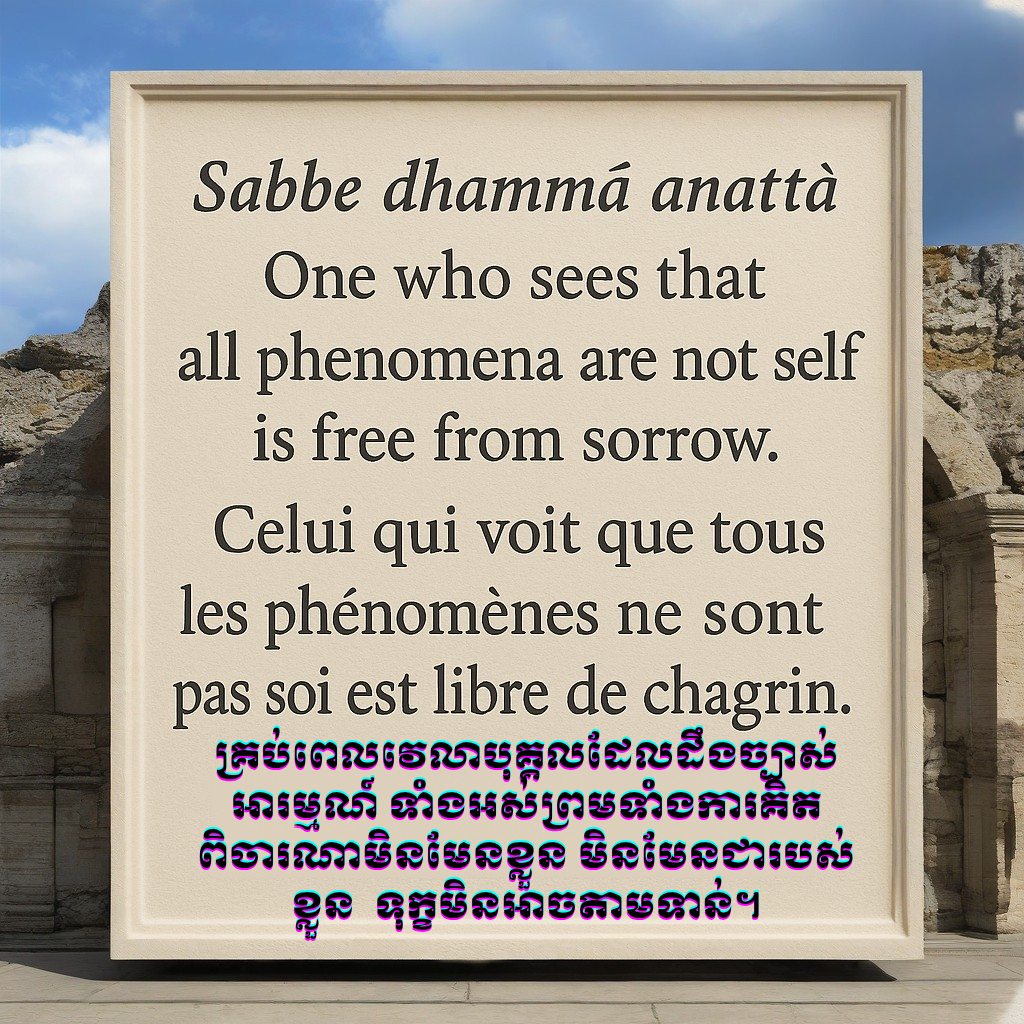
ដកស្រង់គាថាដែលព្រះសាស្តាទ្រង់ត្រាស់ដឹង។អនិច្ចំ ទុក្ខំ អនត្តា ។។ ។ធម៌ទាំងឡាយមានហេតុនិងបច្ច័យ។ តើមានអ្វីពិតប្រាកដនៅក្នុងលោកនេះ បើយើងពុំបានពិចារណា នោះយើងឃើញថាមានរបស់របរាប់មិនអស់។
នៅក្នុងបរមត្ថធម៌ មានការយល់ច្រឡំរវាងពាក្យ សច្ចសន្មតិ បរមត្ថសច្ចៈ។ជនកាលមិនមានការច្រឡំទេតែមិនយល់។ខ្ញុំឲ្យឧទាហរណ៍ មួយជារបស់ពិតគឺបរមត្ថ មួយទៀតជារបស់សន្មត់ ។ នៅពេលដែលយើងឮសំឡេងគេនិយាយគ្នា សំឡេង ជាបរមត្ថ រឿងដែលនិយាយនោះគឺសន្មត់ ។មុនដំបូងខ្ញុំបាទជឿថាពិបាកយល់ដែរ។ ឧទាហរណ៍មួយទៀត តាមអណ្ដាត ។ យើងហូបបាយដឹងរសជាតិឆ្ងាញ់។រសជាតិឆ្ងាញ់គឺបរមត្ថ។ ការធ្វើអត្ថាធិប្បាយនេះមិនទាន់ត្រូវពិតប្រាកដ។តាមពិតបរមត្ថ មិនមានឈ្មោះទេ គឺជាការដឹងនៅអារម្មណ៍តាមទ្វារទាំងប្រាំមួយ(ភ្នែក ត្រចៀក ច្រមុះ អណ្ដាត កាយ ចិត្ត) ពាក្យដែលយើងសន្ទនាទាំងអស់សុទ្ធតែជាពាក្យសន្មត់។
សន្មត់មួយសំដៅទៅបរមត្ថ វត្ថុដែលមានពិត ពាក្យសន្មតមួយទៀតសំដៅទៅវត្ថុដែលមិនមាន។នេះគ្រាន់ជាការរៀបរាប់បន្តិចដើម្បីឲ្យយល់ថាព្រះសម្មាសម្ពុទ្ធសម្ដែងធម៌ពុំមានអ្វីក្រៅអំពីធម្មជាតិដែលកំពុងប្រាកដពេលនេះឯង ដែលពុំមានអតីតកាលនិងពុំមានអនាគតកាល មានតែបច្ចុប្បន្នកាល។ អតីតកាលកន្លងបាត់ទៅហើយ លែងមានទៀតនៅសល់តែការចងចាំ អនាគតកាលមិនទាន់មកដល់ជាការស្រមៃ។មានតែបច្ចុប្បន្នកាលហើយគ្រប់ដង្ហើមចេញចូលគឺជាការពិតប្រាកដ។ព្រះអង្គសម្ដែងថាសត្វលោកមិនមានទេមានតែ ធម៌ទាំងឡាយមានហេតុនិងបច្ច័យ ។ ខ្ញុំបាទសូមឱ្យអ្នកអានទាំងអស់មេត្តាតាមដានយ៉ាងយកចិត្តទុកដាក់ដែលខ្ញុំបាទនឹងយកគាថាព្រះសម្មាសម្ពុទ្ធដែលជាវិទ្យាសាស្ត្រសុទ្ធសាធ មកធ្វើអត្ថាធិប្បាយគឺធម៌ទាំងឡាយមានហេតុនិងបច្ច័យ។ តើពុំមានសត្វបុគ្គលមែនឬទេ?
អ្វីដែលឲ្យយើងដឹងនៅវត្ថុខាងក្រៅទាំងអស់គឺតាមទ្វារទាំងប្រាំមួយ។បើគ្មានទ្វារទាំង 6 ទេយើងមិនអាចដឹងអ្វីទាំងអស់នោះឡើយ។ ខ្ញុំបាទយកទ្វារតែមួយមកឧទាហរណ៍ បើទ្វារតែមួយមិនមែនយើងជាអ្នកដឹងហើយ។ទ្វារដទៃទៀតក៏មិនមែនយើងដែរ។ តាមចក្ខុទ្វារ ដែលយើងឃើញស្មានតែជាប់គ្នារហូត តាមការពិតការឃើញនេះកើតរលត់រាប់សែនកោតក្នុងមួយផ្ទាត់ដៃ ឬមួយវិនាទី តើឃើញកើតមកអំពីរអ្វី ចក្ខុបសាទនៅល្អ មានពន្លឺ របស់ដែលត្រូវឃើញនៅខាងមុខ។ខ្ញុំបាទយកតែខណៈចិត្តមួយខណៈមកធ្វើអត្ថាធិប្បាយក្នុងចំណោមខណៈចិត្តមួយសែនកាលដង ។ចក្ខុប្បសាទមិនទាន់ឃើញទេព្រោះមិនទាន់មានវិញ្ញាណ។ នៅពេលរូបធម៌(វណ្ណៈ ពណ៌)ប៉ះផ្ទប់ និងចក្ខុបសាទដែលមានផស្សចេតសិកឲ្យកើតចក្ខុវិញ្ញាណឃើញរូបដែលប៉ះផ្ទុបនោះ។មកដល់ត្រឹមនេះចក្ខុវិញ្ញាណដែលឃើញនោះនរណាជាអ្នកឱ្យឃើញ?តើមានសត្វបុគ្គលអ្នកឃើញឬទេ?នៅពេលដែលឃើញនោះច្បាសជាមានល្អនិងអាក្រក់ ។តើការឃើញល្អនិងអាក្រក់នៅណាជាអ្នកឲ្យឃើញល្អនិងអាក្រក់?ឯភ្នែកដែលឃើញតែពណ៌សុទ្ធ ក្រៅពីនេះភ្នែកមិនអាចឃើញរបស់ដទៃទៀតទេ។ ដូច្នេះហេតុអ្វីក៏ភ្នែកមើលឃើញទាំងពណ៌រូបរាងសណ្ឋានគ្រប់យ៉ាង មកពីអ្វី ? ដូច្នេះមិនមានសត្វមិនមានបុគ្គលជាអ្នកឃើញឡើយ។គឺមានហេតុនិងបច្ច័យឱ្យមានវិញ្ញាណដែលជាអ្នកឃើញ។ឯទ្វារទាំងប្រាំទៀតដូចគ្នាមិនមានសត្វមិនមានបុគ្គលជាអ្នកឮ ដឹងក្លិនដឹងរស់ផោដ្ឋពះ ចិត្តគិត មិនមានយើងទាំងអស់។ ដើម្បីបញ្ជាក់ឲ្យឃើញថាចិត្តគិតមិនមែនយើងុំមិនមានអ្វីគួរឲ្យឆ្ងល់ទេ។ព្រោះថាចិត្តដែលកើតតាមទ្វារទាំងប្រាំគឺជាវិបាកនៃអកុសលឬកុសលមិនមែនជាយើង។បើចិត្តដែលកើតតាមទ្វារទាំង5 មិនមែនជាយើងហើយ ចិត្តដែលគិតក៏មិនមែនយើងដែរ។នេះគ្រាន់តែជាការបកស្រាយដែលស្របតាមវិទ្យាសាស្រ្ត។ពន្លឺព្រះអាទិត្យកើតរលត់រាប់សែនកោតដង ដូច្នេះចក្ខុវិញ្ញាណក៏កើតរលត់រាប់សែនកដងដែរ បើធ្វើអត្ថាធិប្បាយតាមវិទ្យាសាស្រ្ត។សូមអនុមោទនានូវការយល់របស់អស់លោកមិត្តភក្កិទាំងអស់ជាទីគោរព ការធ្វើអត្ថាធិប្បាយនេះគ្រាន់តែបញ្ជាក់ថានេះឯងដែលជារូបមន្តរបស់ព្រះសម្មាសម្ពុទ្ធត្រាស់ដឹងនៅរូបមន្តផ្សេងៗទៀតជាច្រើន។សំណួរបន្ថែមឲ្យជ្រៅបន្តិច តើហេតុនិងបច្ច័យមកពីហេតុអ្វីដែរ?
🙏🙏🙏☸️☸️☸️🌹❤️

សេចក្តីសង្ខេបជាភាសាខ្មែរ:អត្ថបទនេះនិយាយអំពីគោលធម៌សំខាន់ៗក្នុងព្រះពុទ្ធសាសនា។ ដំបូងឡើយ អត្ថបទលើកឡើងអំពីសច្ចធម៌ ៣ យ៉ាង (អនិច្ចំ, ទុក្ខំ, អនត្តា) និង ច្បាប់នៃហេតុ និង បច្ច័យ។ បន្ទាប់មក អត្ថបទពន្យល់អំពីភាពខុសគ្នារវាង « បរមត្ថសច្ចៈ » (ការពិត) និង « សច្ចសន្មតិ » (អ្វីដែលសន្មត)។ ឧទាហរណ៍ សំឡេង (បរមត្ថ) និង រឿងដែលគេនិយាយ (សន្មតិ)។ អត្ថបទបន្តពន្យល់ថា បរមត្ថ គឺការដឹងនៅអារម្មណ៍តាមទ្វារទាំង ៦ (ភ្នែក, ត្រចៀក, ច្រមុះ, អណ្ដាត, កាយ, ចិត្ត)។ អតីតកាល និង អនាគតកាល គឺមិនពិតមានតែបច្ចុប្បន្នកាលប៉ុណ្ណោះ។ ចុងក្រោយ អត្ថបទសង្កត់ធ្ងន់ថា គ្មានសត្វបុគ្គលពិតប្រាកដទេ មានតែធម៌ទាំងឡាយមានហេតុ និង បច្ច័យប៉ុណ្ណោះ។សេចក្តីសង្ខេបជាភាសាអង់គ្លេស:
This text discusses core Buddhist principles. Firstly, it mentions the Three Marks of Existence (impermanence, suffering, and non-self) and the law of cause and effect. Then, it explains the difference between « paramattha sacca » (ultimate truth) and « sacca sammuti » (conventional truth). For example, sound (paramattha) and the story being told (sammuti). The text goes on to explain that paramattha is the awareness of sensations through the six senses (eye, ear, nose, tongue, body, mind). The past and the future are unreal, only the present exists. Finally, the text emphasizes that there is no real self, only phenomena arising from causes and conditions.
Ce texte traite des principes fondamentaux du bouddhisme. Tout d’abord, il mentionne les trois marques de l’existence (impermanence, souffrance et non-soi) et la loi de cause à effet. Ensuite, il explique la différence entre « paramattha sacca » (vérité ultime) et « sacca sammuti » (vérité conventionnelle). Par exemple, le son (paramattha) et l’histoire racontée (sammuti). Le texte explique ensuite que paramattha est la conscience des sensations à travers les six sens (œil, oreille, nez, langue, corps, esprit). Le passé et le futur sont irréels, seul le présent existe. Enfin, le texte souligne qu’il n’y a pas de soi réel, seulement des phénomènes découlant de causes et de conditions.
 បបរមត្ថពុទ្ធិ